How to Compare Natural Latex Mattresses: A Practical Buying Guide
In the quiet economy of sleep, the mattress is both stage and script: the surface where the body rehearses its nightly routines and the material that quietly shapes what the night becomes. When the choosing is narrowed to natural latex—latex sourced from rubber trees, processed with care, and certified for safety—the stakes feel even higher. This guide aims to be brand-agnostic, offering a thoughtful framework to evaluate options, understand the meanings of certifications, and select the firmness and durability that align with your sleeping position, climate, and health considerations.
Natural latex mattresses occupy a particular niche in the broader landscape of bedding materials. They promise buoyant support, resilience, and often, a breathable surface that can help regulate temperature. Yet the world of latex is not monolithic. It contains natural, blended, and synthetic variants, each with distinct implications for comfort, durability, and environmental impact. As you navigate this terrain, you’ll encounter terms like GOLS, Oeko-Tex, and a spectrum of layering strategies. The aim here is to illuminate those terms, translate the jargon into actionable questions, and provide a practical path to informed decision-making.
What makes latex mattresses unique?
Latex mattresses stand apart due to their combination of buoyancy and contouring. Natural latex is sap-derived, usually Dunlop or Talalay processed, and often presented as a core material that provides support while allowing surface cushioning. The material’s elasticity helps distribute body weight evenly, potentially reducing pressure points along the shoulders, hips, and spine. For some sleepers, this translates into cradling comfort without the “sinking” sensation sometimes associated with memory foam. For others, especially those who sleep hot, latex can offer a cooler, more breathable sleep surface thanks to its open-cell structure and intrinsic airflow channels from manufacturing perforations.
A central caveat is the presence of blends and synthetics in the market. Some latex products are blends that mix natural latex with synthetic or other additives. A blanket term like “natural latex” may appear on a label even when a portion of the latex is not natural. Certification dossiers, ingredient disclosures, and transparent material breakdowns matter here—because they reveal the true composition, which in turn informs durability, allergen considerations, and the product’s environmental footprint.
Key certifications to verify
Certifications act as instruments of trust, offering independent verification of material claims and safety standards. When you’re evaluating a natural latex mattress, two families of certifications tend to surface with regularity: production-process certifications and product-safety certifications. Among the most important are:
- GOLS (Global Organic Latex Standard) — This is the most widely recognized standard for organic latex. It certifies that the latex used in a product is organic from tree to finished latex layer, including a chain-of-custody that ensures compliance throughout the manufacturing process. If a mattress carries GOLS certification, it signals a degree of integrity in sourcing and processing that aligns with organic principles.
- Oeko-Tex or Oeko-Tex Standard certifications — These relate to the absence (or minimization) of harmful substances in finished products. A latex mattress with appropriate Oeko-Tex labeling is typically tested for a broad set of chemicals and toxins, which can be meaningful for sleepers with chemical sensitivities or allergy concerns.
- Certifications related to wool, flame retardants, and other components — Some latex mattresses incorporate additional materials (e.g., wool for fire protection, natural fibers for ticking). Depending on the jurisdiction, these components may carry separate certifications or testings to verify safety and chemical content.
When you see a certification claim, the next practical step is to locate the certification body and confirm the scope of the certification. Some brands display the certificate number and the certifying body on their site or product literature; others provide a downloadable certificate or a third-party verification page. In complex products, a holistic view is important: certifications for the latex itself, the cover materials, and the overall finish all contribute to the credibility of a product claim.
A seven-step framework to evaluate natural latex mattresses
To navigate the decision with method rather than impulse, consider the following seven questions. Each step is designed to be practical, not theoretical, and to map cleanly onto real-world decisions like budget, sleeping position, and climate.
- Materials and composition — Is the latex 100% natural latex, or a blend with synthetic or other additives? Are there other core materials (foam layers, coils, or latex blends) that affect feel and durability? Look for clear disclosure of the latex type (Dunlop vs. Talalay), and whether the latex is fully natural or mixed.
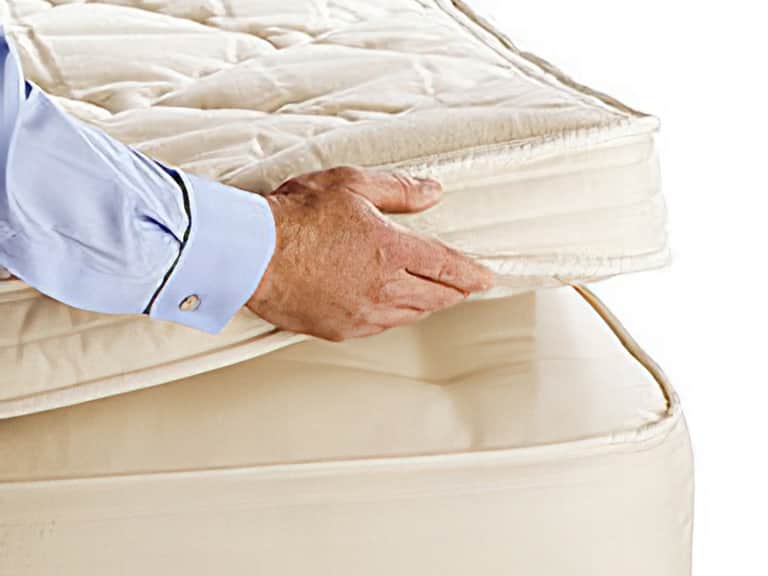
- Layering and thickness — Latex mattresses often rely on multiple layers to balance support and comfort. Assess the total height and the distribution of firmness across the layers. Are there comfort layers that tailor pressure relief to the hips and shoulders? Is the label clear about the thickness of each layer?
- Firmness and sleeping position — Firmness is not universal. The right level depends on your sleep position (back, stomach, side) and weight. A mattress labeled “medium” to “medium-firm” may feel different depending on the latex density and layering. If possible, test in-store or rely on reputable, data-driven guides that translate firmness into typical sleep positions.
- Edge support and motion isolation — Latex often exhibits good edge support, but configurations can vary. If you share a bed with a partner, consider motion transfer and edge-to-edge stability. A mattress that maintains support near the perimeter can prevent “rolling off” sensations and improve intimate usability.
- Temperature regulation — Breathability is a frequent claim with latex, thanks to open-cell structure and perforations. Your climate, room temperature, and bedding choices interact with the mattress. If you sleep hot, ask about perforation patterns, the cover materials, and any added cooling technologies in the design.
- Durability and sag resistance — Latex resists sinking better than some foams, but no material is immortal. Look for the density and quality of the latex, along with the overall construction. A well-made latex layer can retain its feel for many years, while lower-density formulations may soften and settle over time.
- Return policy and warranty — A fair return policy and warranty are essential. Check the terms: duration, what constitutes a valid return, whether there are restocking fees, and whether the warranty covers indentation beyond a threshold. A cautious approach includes asking about trial periods and the logistics of returning a mattress if it doesn’t meet your expectations.
Interpreting the landscape through a brand-agnostic lens
A common challenge in this space is the tension between brand storytelling and material truth. Many brands foreground storylines—origin stories of rubber trees, sustainable farming practices, or artisan craftsmanship. While such narratives can be compelling, the practical decision lies in your ability to verify materials and performance claims. The most reliable paths are:
- Scrutinize the latex source: Is it certified organic from tree to finished product? What is the percentage of natural latex in the core and any layering?
- Inspect the layering scheme: Are there multiple layers with distinct firmness targets? Are the layers accessible for consumer education through clear labeling?
- Review the certification dossier: Are the standards clearly cited? Can you verify the certification details with the issuing body?
- Acknowledge the practicalities: Return policies, shipping, trial periods, and the ease of obtaining post-purchase support.
Case study: how a typical latex mattress journey unfolds
Consider a reader who prioritizes chemical safety and environmental concerns. They begin with a shortlist of latex mattresses that advertise 100% natural latex and GOLS certification. They compare two models with similar densities but different layering: one emphasizes a taller, plush lumbar region to cushion the hips for a side sleeper, while the other offers a leaner profile intended for back sleepers. They review the cover fabrics—organic cotton, wool blends, or synthetic-poly blends—and assess the breathability based on perforation patterns described in product literature. They read third-party reviews and verify warranty terms, then test the mattresses in person or rely on credible test data when shopping online. The result is a choice grounded in material integrity and real-world comfort rather than glossy marketing.
A note on allergen considerations
Allergic concerns intersect with latex in nuanced ways. Natural latex is not inherently allergenic to all users; in fact, some sleepers may tolerate it well. However, latex can provoke allergies in a minority of individuals who have latex-specific sensitization. For those with sensitive immune responses, a careful, transparent approach to material sourcing and processing is essential. Certifications help establish baseline safety, but personal testing remains invaluable. If allergies are a concern, consider models that emphasize not only natural latex but also the absence of other common irritants, and consult with healthcare professionals if necessary.
Care and longevity: preserving the latex mattress’s character
The care routine for a natural latex mattress tends toward delicate consistency. Rotate the mattress periodically as recommended by the manufacturer to promote even wear. If the product uses a breathable cover, ensure it is washed according to label directions to maintain top-layer performance and hygienic integrity. Latex itself resists dust mites and has a natural buoyancy that can retain shape over time, but comfort should not be assumed to be permanent. Mindful handling—protectors, appropriate bed frame support, and a balanced bed setup—will contribute to a longer, happier life for your latex surface.
A brief glossary of terms you’ll encounter
- Natural latex: Sap-derived latex, typically processed without synthetic additives.
- Dunlop vs. Talalay: Two predominant processing methods influencing density, feel, and price. Dunlop tends to be denser; Talalay often yields a lighter, more uniform feel.
- GOLS: Global Organic Latex Standard, certifying organic latex at the production level.
- Oeko-Tex: A safety standard for chemical content in textiles and related products.
- Indentation: The amount of body impression a mattress shows after a period of use; a measure of durability.
- Perforation pattern: The network of holes or channels in latex layers, affecting airflow and temperature regulation.
Putting it all together: a practical buying checklist
- Identify whether the latex is 100% natural or blended, and verify certification claims (GOLS, Oeko-Tex) with official sources.
- Assess the layering design and total height. Ensure the feel aligns with your sleeping position and weight.
- Investigate edge support and motion transfer, especially if sharing a bed.
- Evaluate temperature regulation through perforation patterns, cover materials, and overall construction.
- Review the warranty and return policy, including trial periods and conditions for refunds or exchanges.
- Consider your ecological and health priorities, including organic sourcing, fair-trade considerations, and potential sensitivities to materials other than latex.
A note about related products on this site
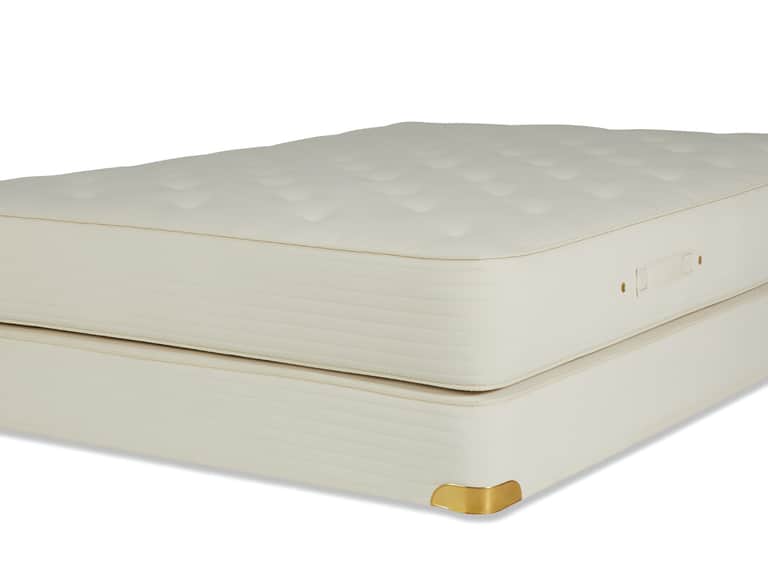
Within this platform’s catalog, you’ll encounter a spectrum of latex- and natural-material mattresses and accessories, including items from brands with storied production histories. For example, the Royal-Pedic Natural Collection Cotton Mattress represents a lineage of luxury craftsmanship, with a focus on long-staple cotton and Swiss coil support. While not all products are purely natural-latex constructions, they illustrate the broader ecosystem of high-quality, natural-material sleep surfaces. When evaluating any product, apply the seven-step framework above to discern how its materials and construction translate into your sleep experience. If you’re curious about a specific model, consult its technical specifications and the certifications it carries to determine alignment with your values and needs.
Final thoughts: a respectful approach to choosing sleep
In the end, the act of choosing a natural latex mattress is less about choosing a single perfect page and more about selecting a chapter in your ongoing relationship with sleep. There is no one-size-fits-all answer, but there is a disciplined, evidence-based approach that yields clarity amid a marketplace saturated with claims and hype. By centering material integrity, transparent certifications, practical testing, and thoughtful longevity considerations, you can arrive at a choice that feels like it was written for you—firm in its purpose, generous in its comfort, and honest about the work behind it.
Further reading and resources
To deepen your understanding, consider exploring independent sleep science resources, certification bodies’ official documentation, and consumer reports that evaluate the long-term performance of latex mattresses. This guide has aimed to equip you with a practical lens, a method for comparing options, and a vocabulary that helps you read product literature with discernment. The journey toward a better night’s rest begins with informed questions and ends with a more restorative sleep.
Would you like a starter content calendar or a basic on-page SEO plan—keywords, meta descriptions, and internal linking—that aligns with a brand-agnostic, educational focus for naturalrubbermattress.com? I can tailor a 8–12 article outline to expand on these themes and create a cohesive content strategy.
Note: The article references general industry standards and widely recognized certifications (e.g., GOLS, Oeko-Tex). The product mentions and descriptions above are provided as illustrative examples for context within the domain of natural latex mattresses.