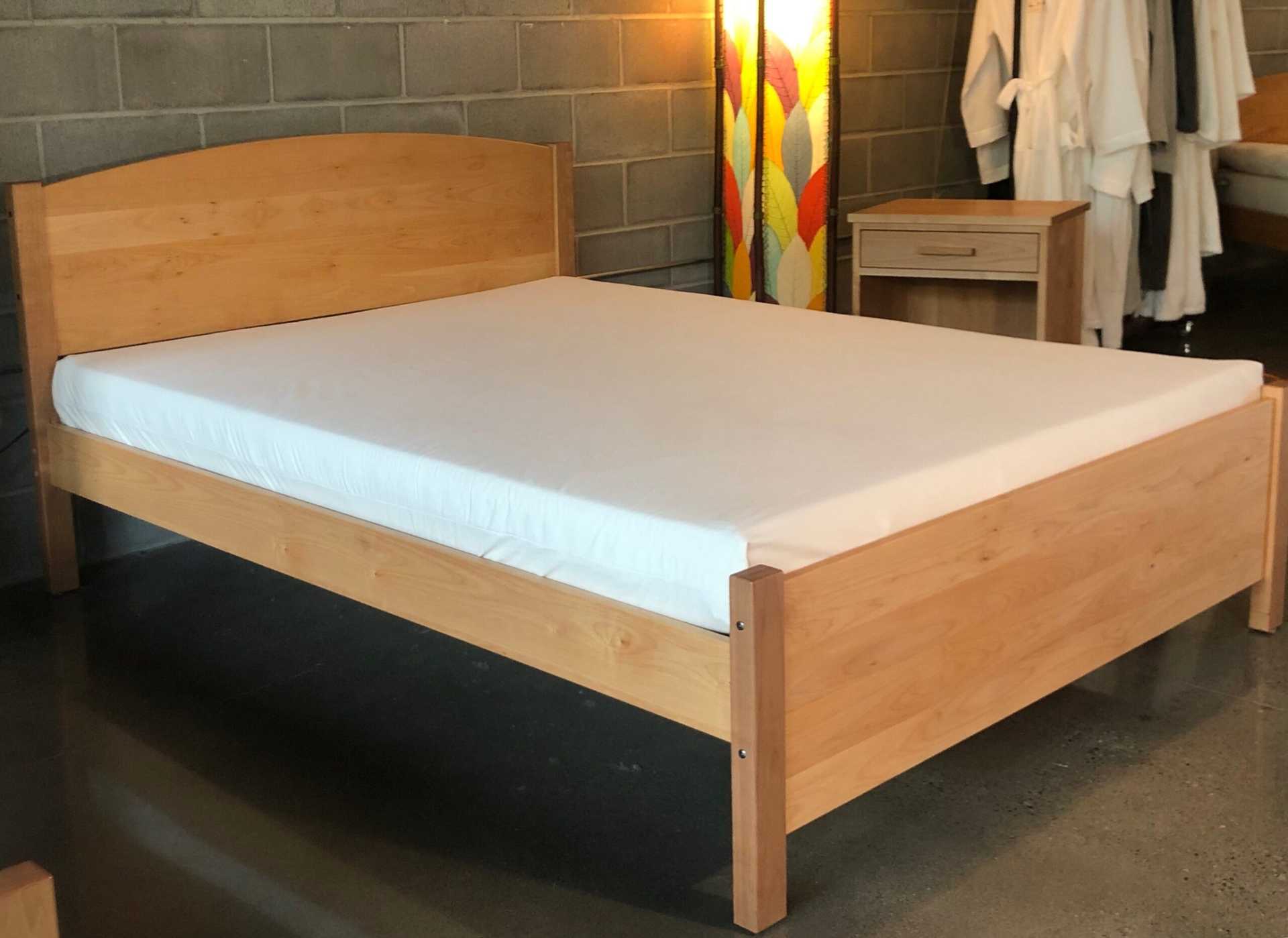
Blankets are a versatile bedding layer used for warmth, comfort, and adaptable coverage throughout the year. Their weight, weave, and material influence insulation and breathability, while size affects how well a blanket fits a bed or resting space. Understanding these characteristics helps coordinate blankets with sheets, pillows, and mattresses.
In a natural bedding setting, blankets complement the sleep surface rather than replace it. Layering can be adjusted to room temperature and personal comfort, while suitable dimensions help reduce shifting during use. Material selection also matters: natural fibers are often considered for their feel and temperature-regulating qualities alongside other bedding choices.
The Organic Mattress - Latex 6.5" is a listed sleep-surface option relevant to the broader bedding category. Its 6.5-inch profile and latex construction describe its basic design; a stable mattress foundation can support sheets and blankets in a layered bed. Mattress comfort and blanket warmth serve different, complementary functions.
The Natural Wool & Latex Mattress 6.5 Inch combines wool and latex in a 6.5-inch mattress design. Wool is commonly valued in bedding for insulation and moisture management, while latex provides a resilient support layer. Together, these materials offer context for choosing blankets that suit the sleep environment and preferred warmth.
When planning bedding, consider how blankets work with mattress materials, sheets, and pillows to create a comfortable sleeping setup. The same principles apply to specialized options such as organic crib mattresses, where fit, intended use, and appropriate layers are important. Comparing material characteristics and dimensions can support informed bedding decisions.
 Bedding