Foam mattresses are renowned for providing balanced support and contouring comfort, making them a popular choice in natural bedding systems. In this category, foam materials emphasize durability, pressure relief, and motion isolation, with an emphasis on natural and organic certification where applicable. Understanding the differences between foam types helps identify suitable options for varying sleep weights and preferences.
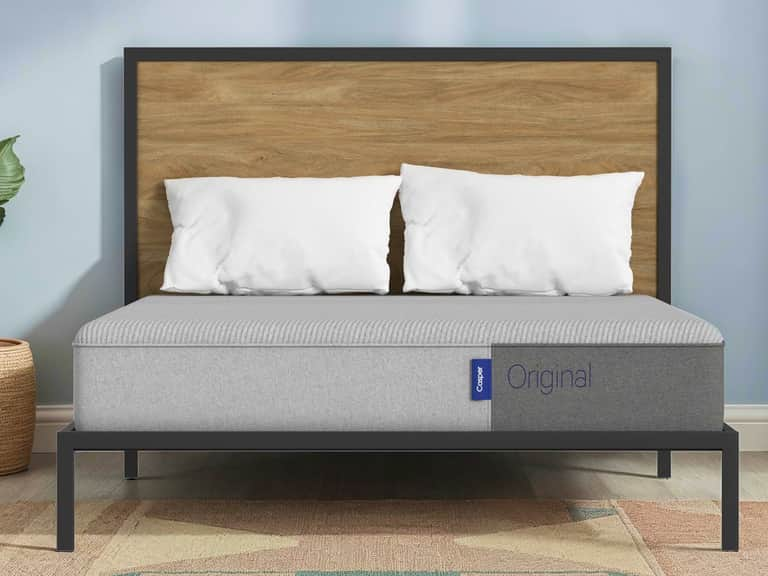
The Original Mattress typically features layered foam that blends Support and Comfort foams to maintain spinal alignment while cushioning curves. This construction aims to minimize partner disturbance and offer stable temperature regulation through breathable, open-cell or latex-boosted formulations. It is designed for versatile comfort across different sleep positions and body types.
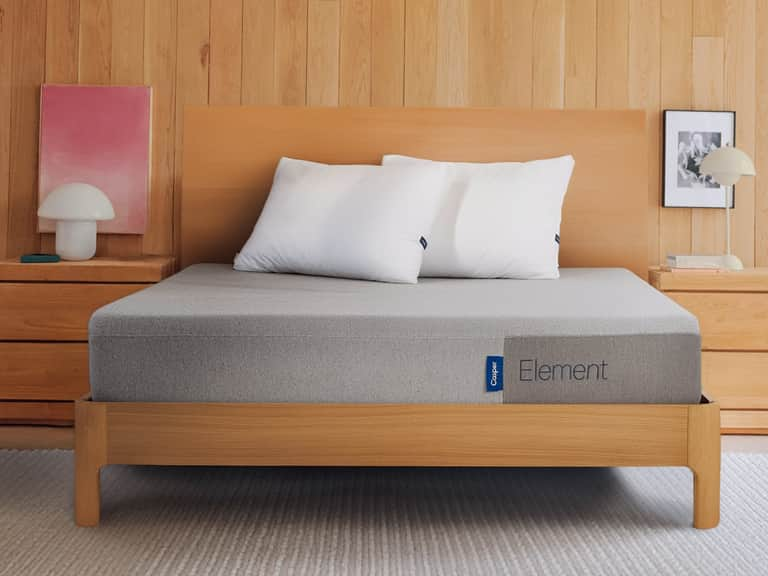
The Element Mattress emphasizes adaptive foam technology that responds to movement and sleeping posture, promoting targeted pressure relief in hips and shoulders. By combining resilience with a softer conformity, it supports restful sleep without excessive sinkage. This model often integrates natural materials to enhance air flow and durability in everyday use.
Common features across foam mattresses in this category include graphite- or gel-infused foams for improved thermal management, reinforced edge support for better seating on the bed, andCertifications indicating adherence to safety and sustainability standards. These aspects contribute to long-term comfort, reduced temperature buildup, and consistent performance over time.
When evaluating foam mattresses for natural bedding systems, consider compatibility with organic sheets, pillows, and organic crib mattresses to preserve overall material integrity. Key uses involve accommodating diverse sleeping positions, optimizing spinal alignment, and supporting safe, restful nights for people seeking nontoxic, environmentally conscious sleep solutions. bedding, pillows, sheets, organic mattresses, organic crib mattresses
 Mattresses